
There are very few hobbies that can put money in your pocket while also taking money out of it.
Sports betting is one of them.
For some people, betting is simply a way to make football matches more exciting. They place a small wager over the weekend, enjoy the game, and move on regardless of the result.
For others, betting becomes something much bigger. They spend hours researching statistics, studying team news, comparing odds, and searching for value before placing a single bet.
Then there are those who fall somewhere in between—hoping betting might become a side income while still enjoying the thrill of the game.
No matter which category you belong to, one fact remains true:
Betting without a plan is like setting off on a road trip without knowing where you’re going.
You might get lucky and arrive somewhere interesting, but there’s a much greater chance you’ll waste time, money, and fuel before realizing you’re lost.
The same idea applies to sports betting.
A plan won’t guarantee that every prediction wins. Football is far too unpredictable for that. Underdogs upset favorites, penalties are missed, referees make controversial decisions, and sometimes the ball simply refuses to cross the goal line despite hitting the post three times.
If you’ve ever watched your team produce 28 shots, dominate possession, and still lose 1-0 to a single counterattack, congratulations—you’ve experienced football’s unique sense of humor.
A betting plan doesn’t eliminate surprises.
It helps you survive them.
In this guide, we’ll explain why every bettor should have a plan before placing a wager, what that plan should include, and how discipline often matters more than finding the “perfect” prediction.
Why People Start Betting
People start betting for many different reasons.
Some want extra excitement while watching sports.
Others enjoy predicting match outcomes and testing their football knowledge.
Some hope to earn additional income.
Others simply join friends who already bet regularly.
None of these reasons are necessarily wrong.
Problems usually begin when people enter betting without understanding what it actually involves.
Many beginners imagine sports betting as a quick way to make money.
After all, predicting one football match doesn’t seem impossible.
If Manchester City are playing a struggling team, surely that’s an easy win…
Until football reminds everyone that “easy” is one of the most dangerous words in the sport.
Every experienced bettor has watched overwhelming favorites fail to win.
That’s why having a plan matters from the very beginning.
Why Every Bettor Needs a Plan
Imagine two people entering a marathon.
The first person has trained for months, understands pacing, drinks water regularly, and knows exactly how they’ll approach each stage of the race.
The second person simply shows up wearing new running shoes because they heard marathons are fun.
Who has the better chance of finishing?
Sports betting works in a similar way.
Your plan doesn’t need to be complicated.
It simply needs to answer a few important questions:
- How much can I comfortably afford to bet?
- What type of bets will I focus on?
- How much will I risk on each wager?
- What will I do after a losing streak?
- When should I stop betting for the day or week?
Having answers before placing your first bet prevents many emotional decisions later.
Define Your Purpose Before You Bet
One of the biggest mistakes bettors make is never asking themselves why they bet.
Are you betting purely for entertainment?
Are you hoping to gradually build a bankroll?
Are you testing your football analysis?
Your answer shapes your entire approach.
Someone betting for entertainment may happily place a small weekend accumulator and enjoy the experience regardless of the outcome.
Someone aiming for long-term profit may focus on fewer matches, spend more time researching, and avoid unnecessary risks.
Neither approach is automatically better.
The important thing is understanding your own objective.
Build a Bankroll You Can Afford
A betting bankroll is money specifically set aside for betting.
It should never include money needed for rent, food, tuition, transport, savings, or other essential expenses.
Think of your bankroll as a budget rather than an investment.
Once you’ve decided how much you’re comfortable setting aside, protect it.
Many experienced bettors risk only a small percentage of their bankroll on each wager rather than placing everything on one “certain” prediction.
The reason is simple.
There are no certain predictions.
Every match contains uncertainty.
Protecting your bankroll means giving yourself more opportunities to recover from normal losing streaks.
Set Realistic Expectations
Everyone enjoys winning.
The problem is that unrealistic expectations often create unnecessary disappointment.
No bettor wins every bet.
No prediction model achieves 100% accuracy.
No analyst, no matter how experienced, can eliminate uncertainty from sports.
A realistic goal isn’t to avoid losing altogether.
A better goal is making consistently informed decisions over a long period.
Ironically, many successful bettors think less about today’s result and more about where they’ll be after hundreds of bets.
That’s long-term thinking.
Why Discipline Beats Luck
Luck certainly exists in sports.
A deflected shot.
A missed penalty.
An injury in the opening minutes.
These moments can influence any match.
But relying entirely on luck isn’t a sustainable betting strategy.
Discipline is.
Disciplined bettors research matches.
They compare odds.
They avoid unnecessary risks.
They follow their staking plan even after exciting wins.
Most importantly, they don’t suddenly abandon their entire strategy because one weekend didn’t go as expected.
Winning Streaks Can Be Dangerous Too
People often talk about losing streaks.
Winning streaks receive much less attention.
Ironically, they can create problems of their own.
Imagine winning five bets in a row.
Confidence grows.
The temptation to increase your stakes becomes stronger.
You begin believing you’ve discovered the secret to sports betting.
Then football reminds everyone why it remains unpredictable.
One unexpected defeat suddenly wipes out several previous wins.
Successful bettors enjoy winning streaks.
They just don’t allow those streaks to change their entire betting strategy.
Learn How to Lose Properly
This may sound unusual, but learning how to lose is one of the most valuable betting skills you’ll ever develop.
Losses are unavoidable.
The question isn’t whether they’ll happen.
It’s how you’ll respond.
Will you immediately double your next stake?
Will you begin betting on matches you haven’t researched?
Will frustration replace logic?
Or will you simply accept that sports are unpredictable and continue following your original plan?
Often, the difference between responsible bettors and reckless bettors isn’t how they win.
It’s how they lose.
Avoid Emotional Betting
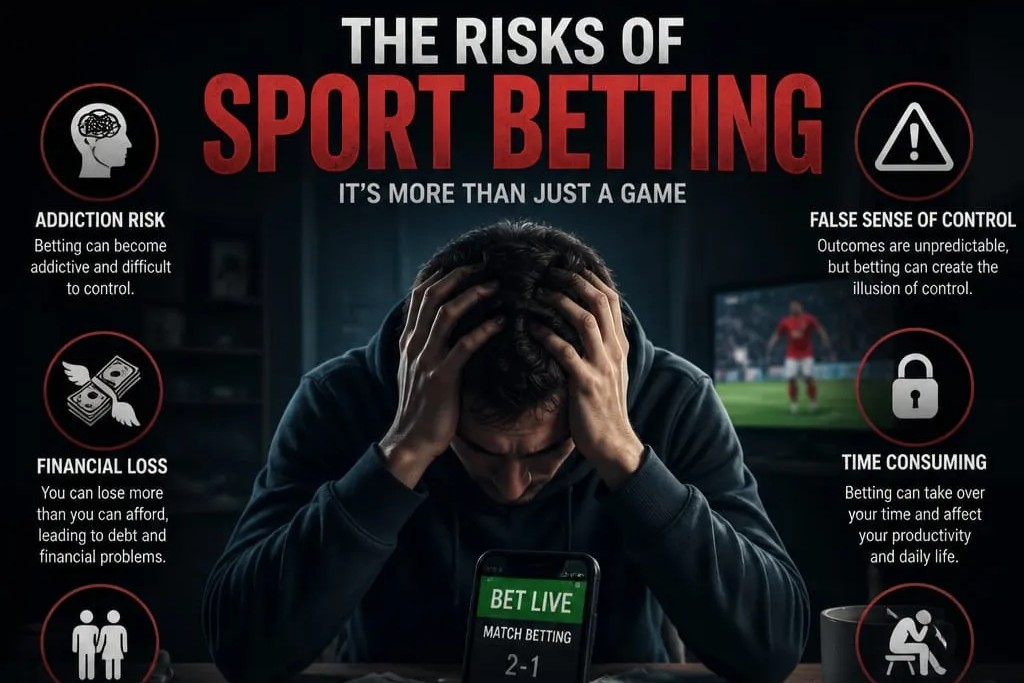
Sports naturally create emotions.
Excitement.
Frustration.
Hope.
Disappointment.
These emotions become even stronger when money enters the equation.
Perhaps your favorite club is playing.
Perhaps you’ve just experienced two unlucky defeats.
Perhaps you’re convinced “you’re due a win.”
Unfortunately, football doesn’t reward emotions.
It rewards good decisions over time.
Whenever you notice yourself betting because you’re angry, desperate, or overly excited, it’s usually a good moment to pause.
Sometimes the smartest bet is not placing one at all.
Keep a Record of Every Bet
Many bettors remember their biggest wins perfectly.
They remember much less about their losing bets.
Keeping records changes that.
Track information such as:
- Date
- Competition
- Selection
- Odds
- Stake
- Result
- Profit or loss
- Notes about why you placed the bet
After several months, patterns begin appearing.
Perhaps you’re excellent at predicting Premier League matches but struggle with international football.
Maybe your accumulators perform poorly while single bets perform much better.
Data helps remove guesswork.
Never Stop Learning
The sports betting world changes constantly.
Teams evolve.
Managers change.
Players improve.
New statistics become available.
The best bettors remain students of the game.
They read analysis.
They compare opinions.
They review their mistakes.
Most importantly, they understand that learning never really ends.
Every football season teaches something new.
Know When to Walk Away
One of the most underrated skills in betting is knowing when enough is enough.
There will always be another match tomorrow.
Another league next weekend.
Another tournament next month.
You don’t need action on every fixture.
If you’re tired, frustrated, distracted, or simply not confident about a particular match, skipping it is perfectly acceptable.
Patience often saves more money than chasing every opportunity.
Betting Should Fit Your Life—Not Control It
A healthy betting habit fits around your normal life.
It shouldn’t replace important responsibilities.
Time with family, work, education, friendships, health, and personal goals should always come first.
Betting should remain something you choose to do—not something you feel forced to do.
When betting starts dictating your mood, finances, or daily routine, it’s worth stepping back and reassessing your approach.
Having a clear plan helps keep betting in its proper place.
Final Thoughts
Sports betting can absolutely change your life.
For some people, it becomes an enjoyable hobby that adds excitement to watching sports.
For others, careful research and disciplined bankroll management help them make smarter betting decisions over time.
However, betting can also become expensive when there is no plan.
Without limits, emotions begin making decisions.
Without discipline, winning streaks create overconfidence and losing streaks create panic.
Without realistic expectations, every loss feels bigger than it really is.
A betting plan won’t guarantee success.
Nothing can.
But it can help you make better decisions, manage risk responsibly, and enjoy sports betting without allowing it to control your finances or your peace of mind.
At the end of the day, successful betting isn’t about predicting every upset.
It’s about making thoughtful decisions, staying patient, learning from experience, and understanding that football will always have the final word.
After all, if football were completely predictable, we’d all be millionaires—and goalkeepers would probably start bringing folding chairs onto the pitch because they’d have nothing left to do.
Responsible Betting Reminder
Sports betting always involves financial risk. Never wager money you cannot afford to lose, avoid chasing losses, and remember that no prediction or betting strategy can guarantee a winning outcome. Responsible betting is about making informed decisions, setting limits, and keeping betting enjoyable rather than stressful.
Frequently Asked Questions
What is a betting plan?
A betting plan is a set of personal rules that helps you manage your bankroll, choose your bets carefully, control your emotions, and make consistent decisions over time.
Why is bankroll management important?
Bankroll management helps reduce the impact of losing streaks and prevents bettors from risking more money than they can comfortably afford.
Can a betting plan guarantee profits?
No. A betting plan cannot eliminate uncertainty, but it can help you make more disciplined decisions and manage risk more effectively.
How much should I stake on one bet?
There is no universal answer, but many experienced bettors risk only a small percentage of their bankroll on each wager to protect themselves from normal losing streaks.
Is it okay to skip betting on certain matches?
Absolutely. One of the smartest betting decisions is recognizing when there isn’t enough value or confidence to justify placing a wager. There will always be more opportunities in the future.